Cat hairball disease is mostly a chronic disease. It is not formed in one day, but gradually accumulates from a small amount to a large amount. Over time, as the amount of hair eaten increases, the hair eaten into the stomach is rolled into a ball under the peristalsis of the cat's stomach, and then slowly grows larger, eventually forming a large hairball at the pylorus that cannot pass through and causes blockage. Sick cats begin to have indigestion, loss of appetite, gradual weight loss, prone to lying, love to drink water, and constipation. Due to digestive disorders, over time, feed is easy to ferment, often causing the stomach to swell and the belly to become larger. Sometimes, some small hair bumps can pass through the pylorus, but are easily retained in the small intestine. Therefore, it is also easy to cause intestinal obstruction and death due to not eating or drinking.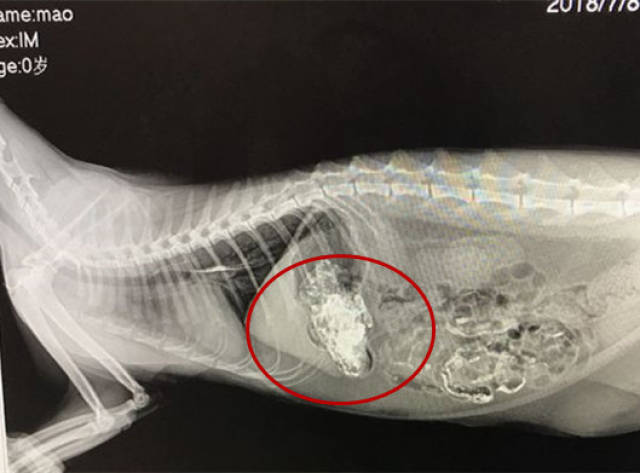
Symptoms include frequent vomiting after meals, with the vomit containing both hairballs and food.
If the cat vomits once every 1 or 2 months and there are only hairballs in the vomit, it is normal. If the cat vomits too frequently, it is best to go to the hospital for a checkup. While taking medicine, the owner should also regularly take care of the cat's fur to reduce the amount of hair that enters the cat's body.
The source of hairballs in the cat's digestive tract is the large amount of body hair that the cat eats when grooming itself. When these hairballs cannot pass through the digestive tract (intestines and stomach) or when the pancreatic digestive enzymes cannot break them down, these hairballs form a major obstacle to the digestive tract, and the body's natural reaction is to spit out the hairballs.
But if the cat cannot spit out the hairballs, it will get the so-called "hairball syndrome". Many hairballs block the digestive tract and become large and hard in the intestines. In severe cases, the cat will be depressed and have a poor appetite. Surgery is required to eliminate them, and there will be more complications, such as inflammatory bowel disease.
Reducing the amount of body hair that cats eat can prevent cats from getting hairball syndrome.
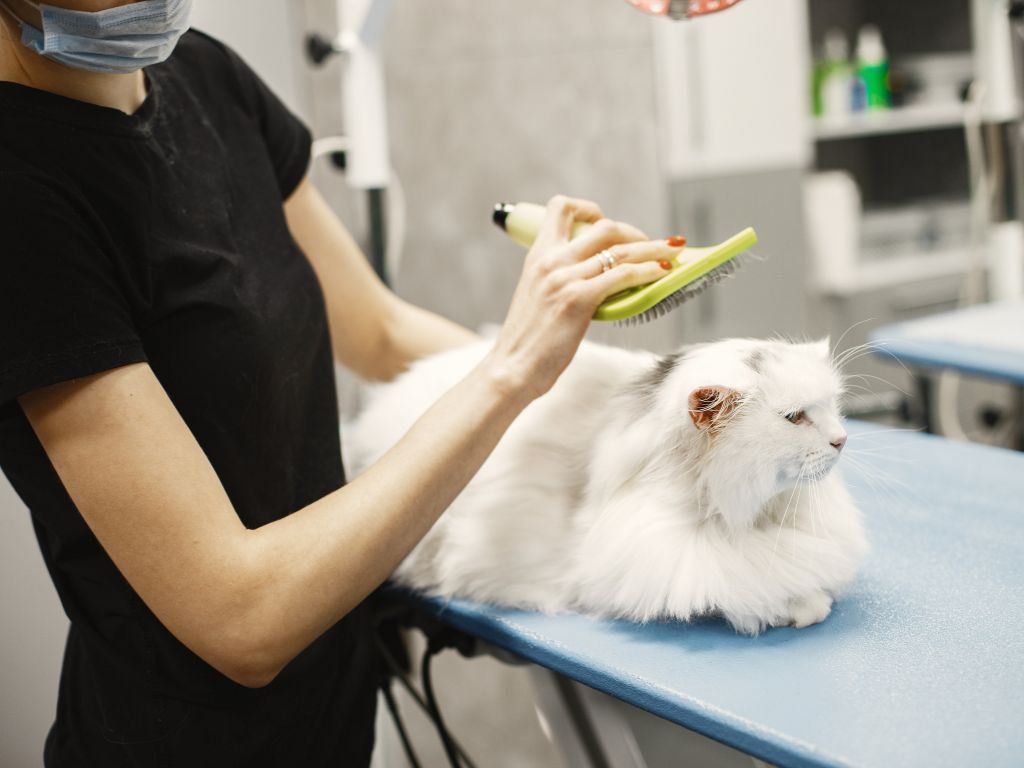
This is one of the best ways. First, you must have at least two brushes, one is a stainless steel comb and the other is a combing brush. The tooth combs of long-haired cats can have larger spacing. The benefits of combing your cat’s hair every day include not only helping you clean your cat’s hair and combing off excess old hair, but also allowing you to check your cat’s physical condition. Many minor symptoms are discovered by the owner during combing, and such an intimate behavior will make your cat understand that its owner cares about it and loves it, so that people and cats can live together happily.
As the name implies, hairball remover is a product that helps cats remove hair from their bodies. Often, owners ask, "When should I give my cat hairball remover?" Simply put, as long as your cat licks its hair, you can start using hairball remover. The dosage and frequency of use can be based on the instructions. There are many brands of hairball remover on the market, and the tastes of each brand are different. If you change the brand, your cat may stop eating. The solution is to change back to the brand it originally liked, or apply the hairball remover on the cat's nose, and the cat will finish eating the hairball remover. However, if the cat really doesn't like to eat it, it is better to choose a hairball remover with good palatability.
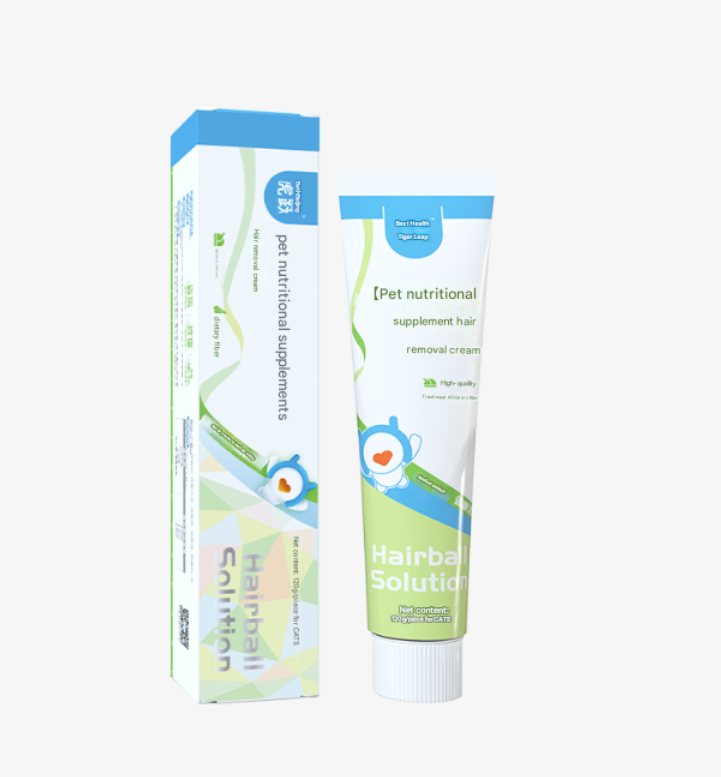
PETFECT Hair Removal Cream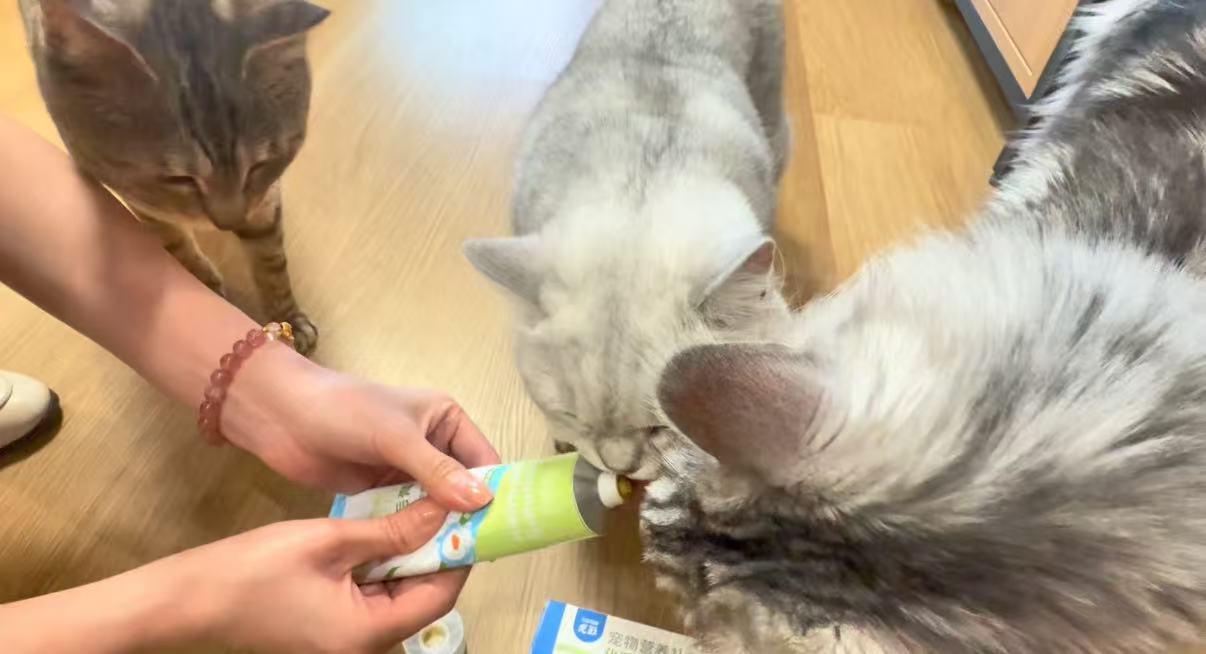
#CatHairball #HairballRemedy #HairballRelief #HairballProblems #HairballControl #HairballTreatment #HairballRemedies #HairballGel #Howtohelpacatwithhairballs #besthairballremedyforcats #veterinaryproducts #VeterinaryHospital #veterinarycligenic #veterinarysupplies #supplies #veterinary #veterinaryequipment #PETFECT #affordableprice


